Newsroom
Researchers Propose New Synthetic Biology Strategy of Cell Editing
CRISPR-based gene editing technology enables precise modifications to genes and has achieved remarkable success in fields such as medicine and agriculture. However, gene editing is essentially a "local modification" of an existing genome, and for functions involving hundreds of genes and complex regulatory networks, such as photosynthesis, this strategy remains challenging. Complex traits require higher-level systems engineering strategies.
In a perspective article published in The Innovation Life, researchers from the Institute of Hydrobiology (IHB) of the Chinese Academy of Sciences introduced a novel synthetic biology strategy called "cell editing."
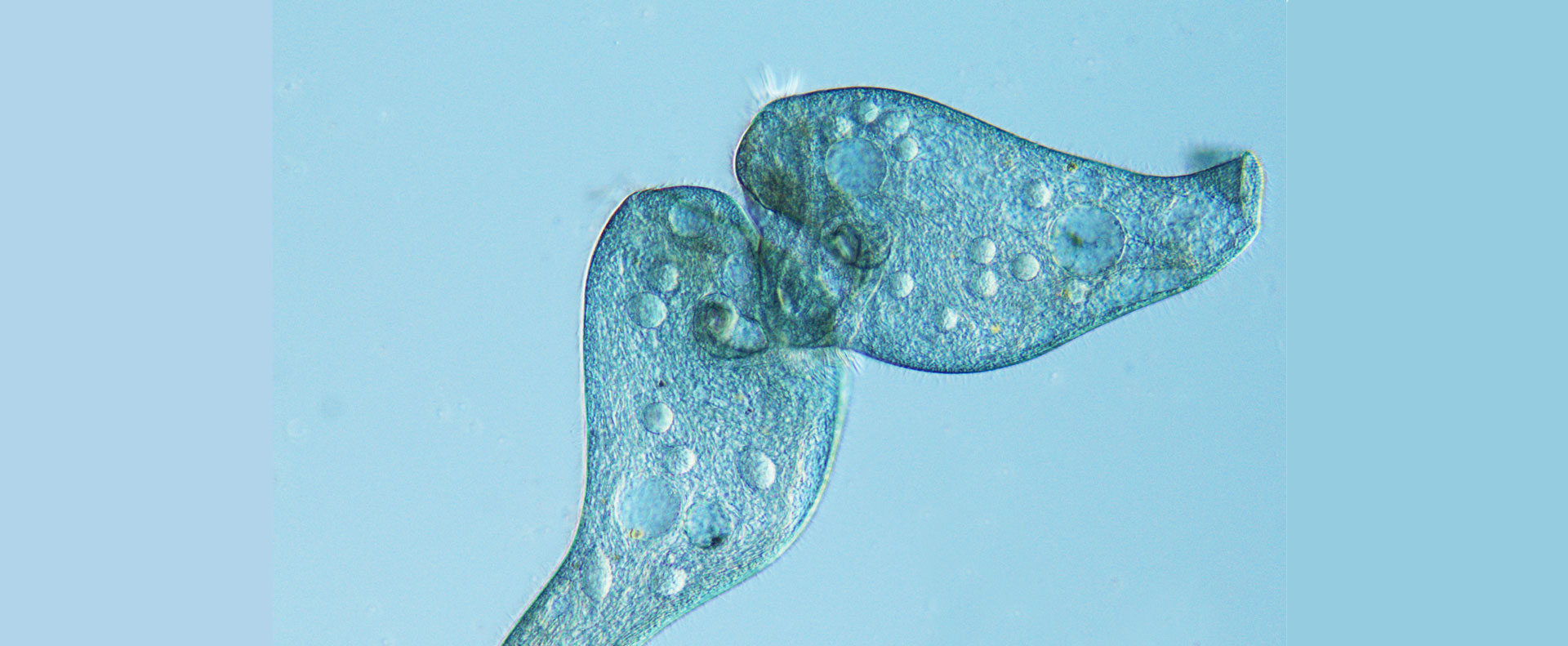
Inspired by the classic endosymbiosis theory and the widespread natural phenomenon of endosymbiosis, this strategy involves engineering donor cells with specific functions into "functional shuttles" and transplanting them intact into recipient cells, thereby conferring complex biological functions, such as photosynthesis or biological nitrogen fixation. Nevertheless, constructing stable artificial symbiotic systems still faces multiple challenges, including immune rejection and metabolic integration, that need to be overcome by combining rational design with adaptive evolution.
The development of cell-editing technologies relies on multidisciplinary collaboration. Recently, a strategic priority science and technology special project, led by the Institute of Hydrobiology, Chinese Academy of Sciences has been officially launched. It will systematically advance this cutting-edge research across dimensions such as mechanisms, technologies, and applications at the levels of animals, plants, and protists.
Successful cell editing will open up entirely new application scenarios by transforming biological nutritional modes, restructuring energy metabolism, and forming functional cellular compartments. For instance, it could enable plants to directly utilize nitrogen from the air, allow animals to harness light energy, and construct "microreactors" within tissues or cells for efficient metabolism. In the near future, cell editing is expected to complement gene editing and become a conventional tool for life modification, offering innovative solutions to major challenges such as food security, energy shortages, and environmental issues.
(Editor: MA Yun)