
Research
Qinghai Lake Observation and Research Station for Plateau Wetland Lake Ecosystems
Established in July 2021, Qinghai Lake Observation and Research Station for Plateau Wetland Lake Ecosystems is the only field observation station of the Institute of Hydrobiology (IHB) of the Chinese Academy of Sciences, dedicated to the study on the aquatic ecological environment of the Qinghai-Tibet Plateau.
Qinghai Lake, the largest lake in China, is an internationally significant wetland and a vital water body for maintaining the ecological balance of the Qinghai-Tibet Plateau and the broader western region of China. The Qinghai Lake basin serves as a vital ecological buffer within Qinghai Province's regional environmental strategy, fulfilling critical functions in containing the eastward advance of desertification and ensuring the protection of agricultural regions in eastern China.
As an authentic and integrated natural-social composite ecosystem, the Qinghai Lake basin encompasses diverse ecological and geographical elements, including "mountains, waters, forests, farmlands, lakes, grasslands, ice, and deserts." It serves as a significant repository of alpine biological genetic resources, carries a rich cultural and historical heritage, and exhibits notable national representativeness and ecosystem typicality.
Qinghai Lake Observation and Research Station leverages the disciplinary and talent strengths of the relevant research teams at IHB. It focuses on addressing the technological needs for Qinghai Lake’s water ecological protection and the establishment of Qinghai Lake National Park, while also aligning with the operational requirements of the Qinghai Lake Scenic Area Protection and Utilization Administration.
The station prioritizes providing scientific and technological services in areas such as water ecological environment monitoring, aquatic ecosystem health assessment, and water ecological protection and restoration. Concurrently, it conducts fundamental research on scientific issues related to the impact of global climate change on aquatic ecosystems and corresponding mitigation measures, as well as the mechanisms underlying biodiversity maintenance and its influencing factors.
Furthermore, the station serves as a base to extend its research efforts to other key ecological protection areas on the Qinghai-Tibet Plateau, such as the Three Rivers Source and Qilian Mountains. In addition to addressing local needs, the station actively engages in in-depth research on fundamental scientific questions related to the plateau’s aquatic ecological environment.
In recent years, relying on the station, the institute has undertaken various national and local projects, including the National Key Research and Development Program, the Regional Joint Fund of the National Natural Science Foundation of China, the Qinghai Province Key Research and Development and Transformation Program, the Qinghai Province Water Pollution Prevention and Control Special Project, the Ministry of Ecology and Environment Water Pollution Prevention and Control Special Project, and the Qinghai Forestry and Grassland Bureau Promotion and Demonstration Project. Over ten papers have been published in domestic and international journals, such as Science of the Total Environment, Environmental Pollution, Journal of Great Lakes Research, Environmental Science and Pollution Research, Journal of Eukaryotic Microbiology, and the Acta Hydrobiologica Sinica.
Head: WU Chenxi
Deputy Head: AO Hongyi
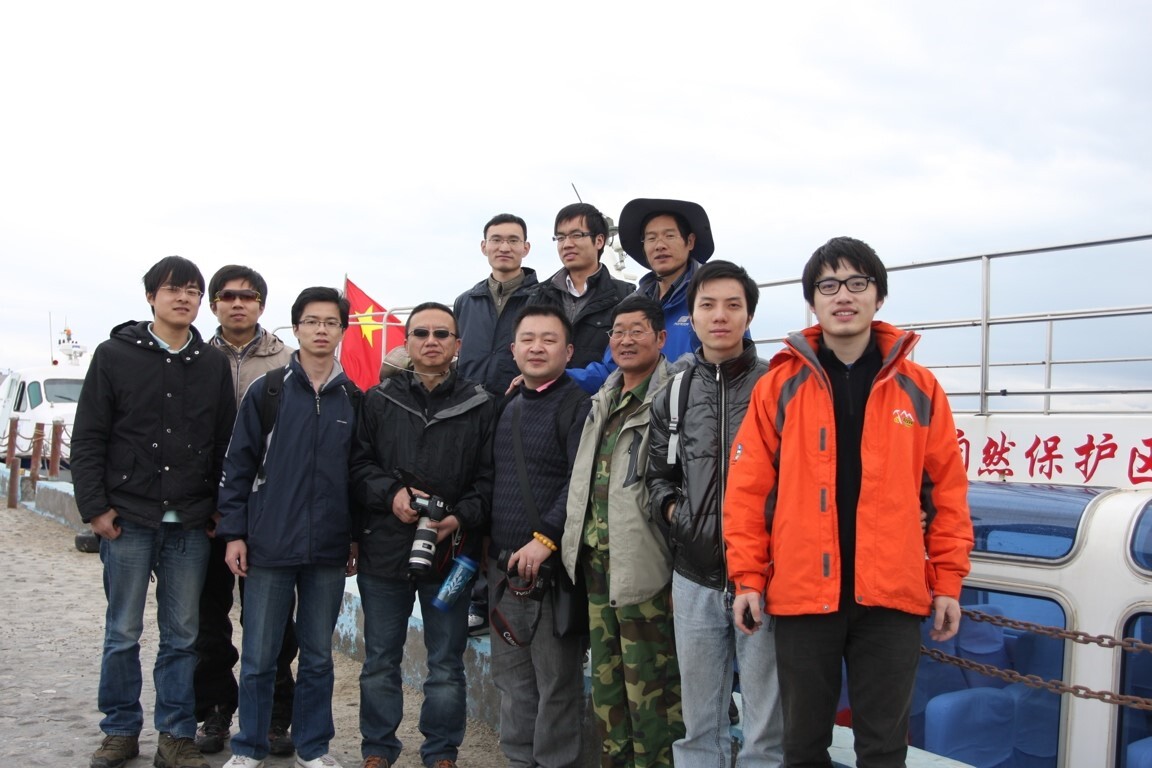
IHB team joined the Joint Scientific Research Base of the Chinese Academy of Sciences in Qinghai Lake National Nature Reserve in 2011.
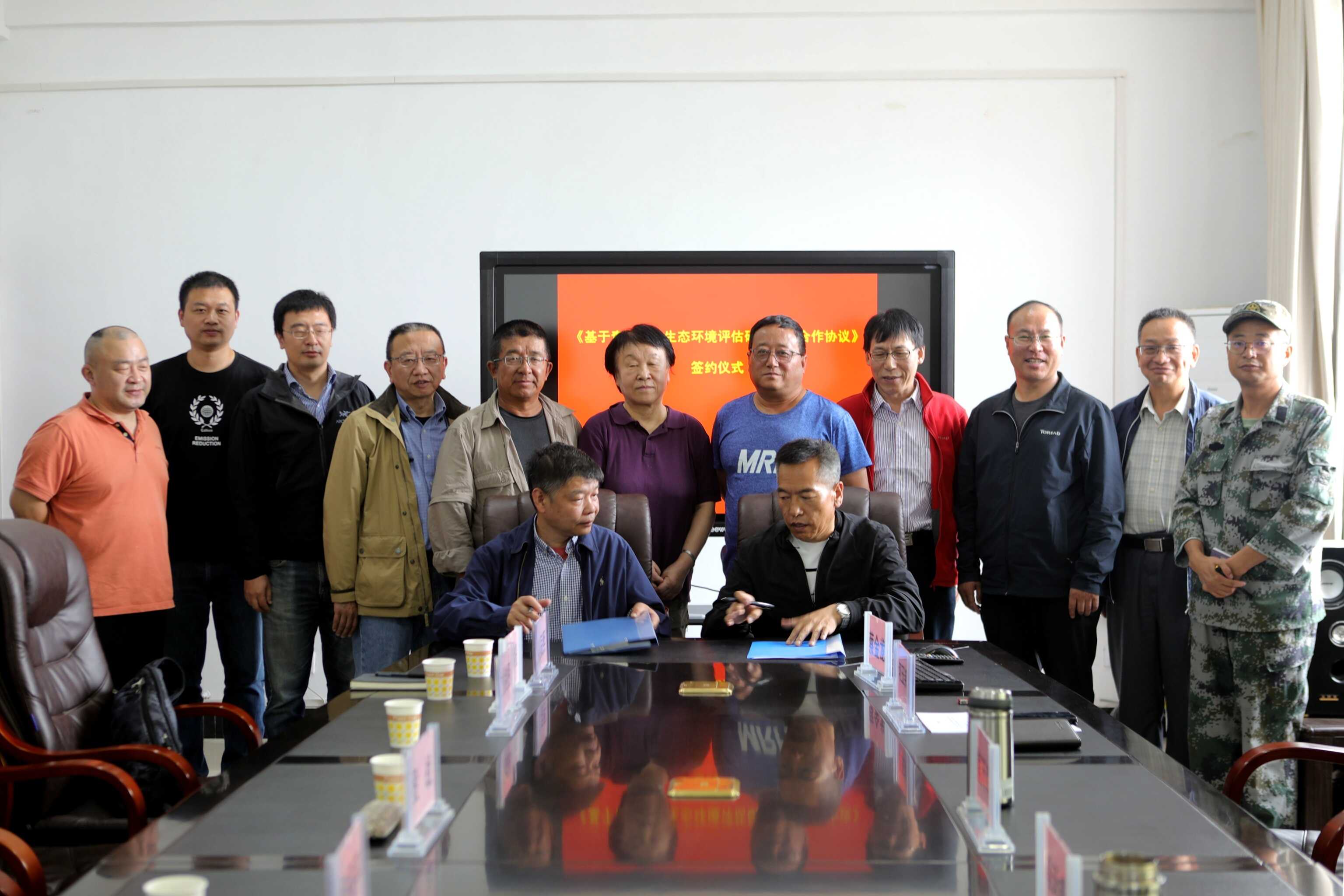
IHB signed a strategic cooperation agreement with the Qinghai Lake Scenic Area Protection and Utilization Administration.
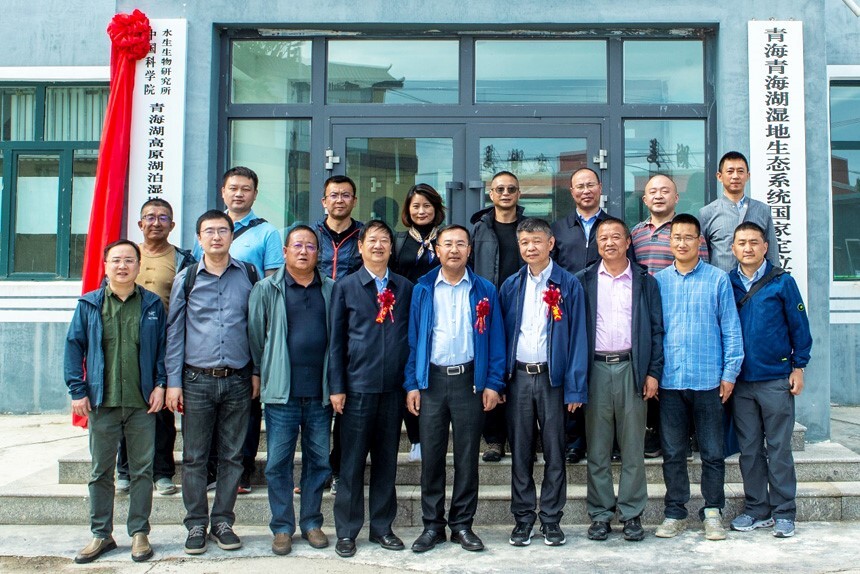
The Qinghai Lake Observation and Research Station for Plateau Wetland Lake Ecosystems was officially inaugurated.
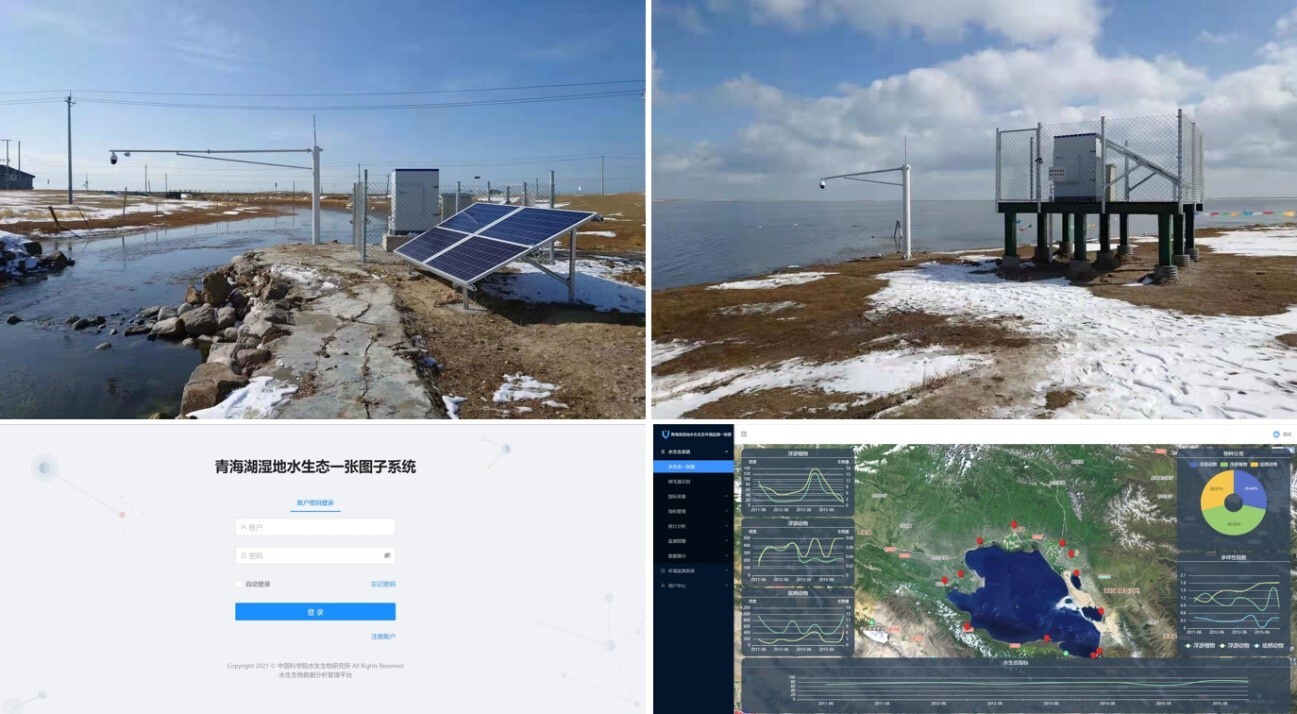
IHB has developed a unified digital platform subsystem for the aquatic ecosystem of Qinghai Lake Wetland.
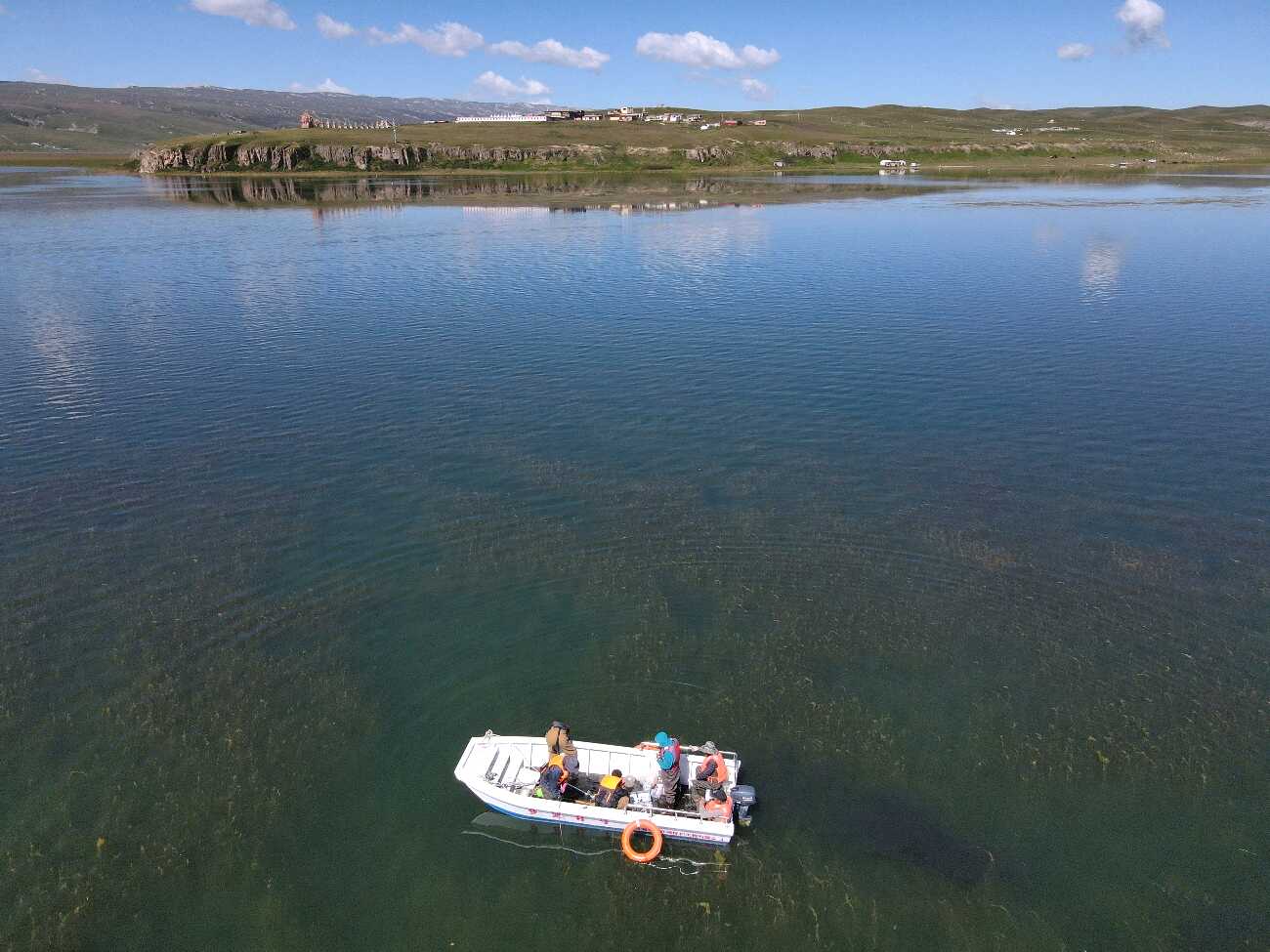
IHB researchers conducted a field survey at Qinghai Lake.