Newsroom
IHB Hosts Side Event on Cetacean Monitoring and Conservation at 5th World Congress of Biosphere Reserves
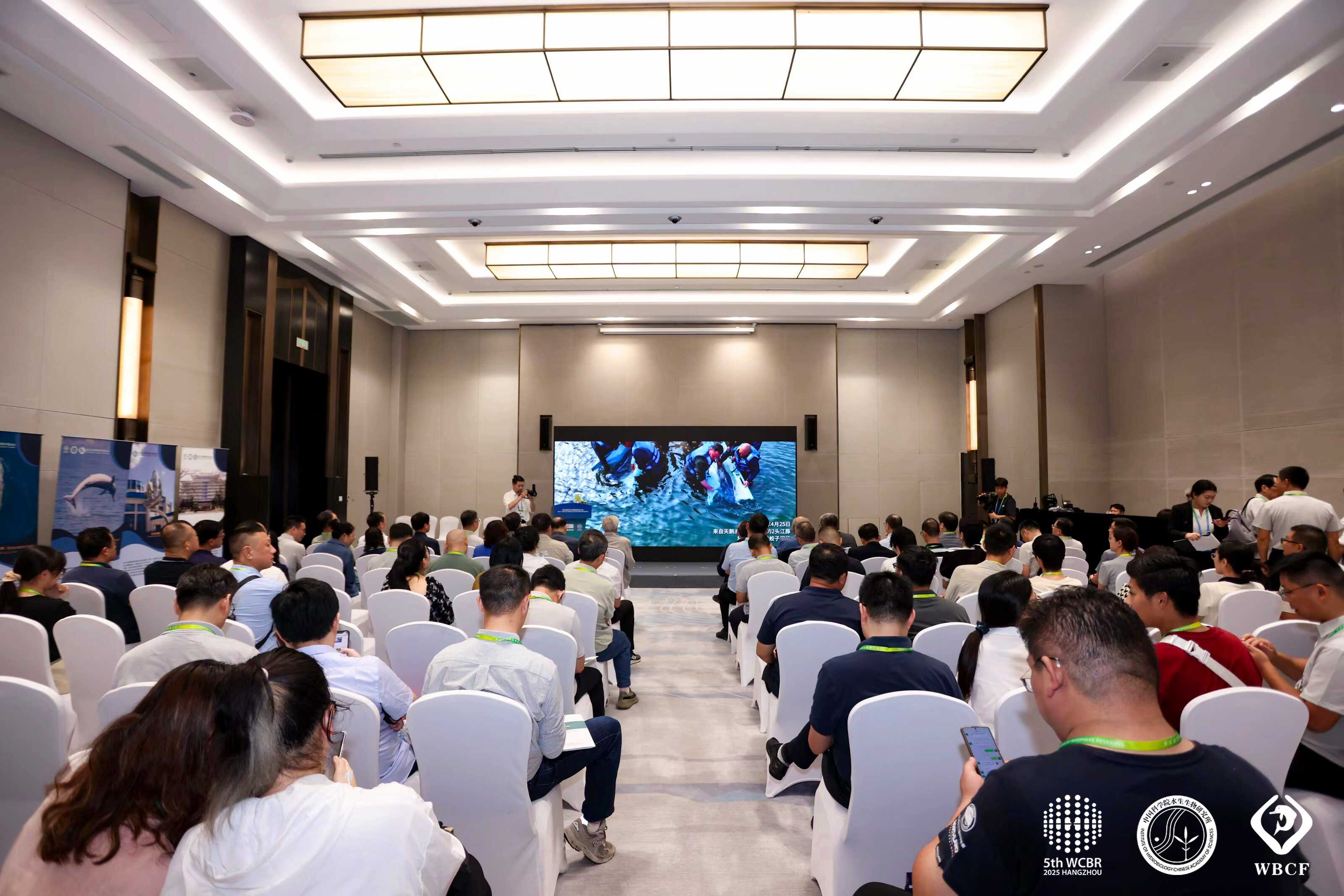
IHB and WBCF co-organized a side event titled "Technologies for Cetacean Monitoring and Conservation in China" during the 5th World Congress of Biosphere Reserves on September 23, 2025. (Credit: IHB)
The Institute of Hydrobiology (IHB) of the Chinese Academy of Sciences and the Wuhan Baiji Conservation Foundation (WBCF) co-organized a side event titled "Technologies for Cetacean Monitoring and Conservation in China" during the 5th World Congress of Biosphere Reserves on September 23, 2025. The session highlighted China's practical experience in cetacean protection and explored how technological innovation can contribute to global biodiversity conservation.
Prof. XU Zhihong, a CAS member and chairman of UNESCO’s Chinese National Committee of Man and the Biosphere, addressed the meeting. "The challenges in protecting aquatic species are far greater than those for terrestrial ones," he stated. "The experience we've gained from conserving the Yangtze finless porpoise holds immense value for safeguarding endangered species in great rivers across the world. Overcoming the challenges in biodiversity conservation requires a collective effort from researchers and all sectors of society."
WANG Ding, executive deputy director of the Congress Executive Committee and chairman of WBCF, introduced the construction of intelligent monitoring and early warning platforms for cetaceans. These platforms, deployed in key habitats including the main stem of the Yangtze River, Dongting and Poyang Lakes, and the Pearl River Estuary, provide effective technological solutions for the long-term monitoring of the Yangtze finless porpoise, Indo-Pacific humpback dolphin, and Chinese white dolphin, as well as for assessing habitat quality and human disturbances.
IHB's deputy director XU Jun delivered an opening speech, outlining IHB's 95-year commitment to integrating scientific innovation with practical applications to support national strategic needs in aquatic biodiversity conservation. He highlighted the comprehensive protection system developed over nearly five decades for the critically endangered Yangtze finless porpoise, which integrates in-situ, ex-situ, and captive breeding conservation measures. This approach has successfully stabilized and begun to recover the natural population, ensured steady growth in ex-situ populations, and achieved breakthroughs in the second-generation captive breeding, offering valuable "Chinese experience" for global freshwater cetacean conservation.
The event featured several invited reports. Researchers presented advances and applications in river cetacean monitoring technology, population dynamics and conservation prospects of Bryde's whales in Chinese waters, monitoring technologies applied to cetacean research in the South China Sea, and developments in acoustic conservation for Chinese white dolphins. These presentations demonstrated how technology is helping to protect cetaceans in both river and marine environments.
The meeting also included a segment on public participation. A strategic cooperation agreement was signed between WBCF and the Ministry of Ecology and Environment's Center for Environmental Education and Communication to build a broader public platform for biodiversity conservation and promote Chinese experience globally. A panel discussion further explored multi-stakeholder involvement in cetacean conservation, featuring insights from protected area management, scientific research, practical conservation, corporate social responsibility, and the role of technology companies.
During the Congress, the Yangtze finless porpoise was frequently cited as a flagship example of successful aquatic wildlife conservation in China, featured in the main venue and national exhibition. The side event attracted nearly a hundred participants from cetacean habitats, research institutions, enterprises, and social organizations, with media coverage focusing on the role of technology in promoting cetacean protection.
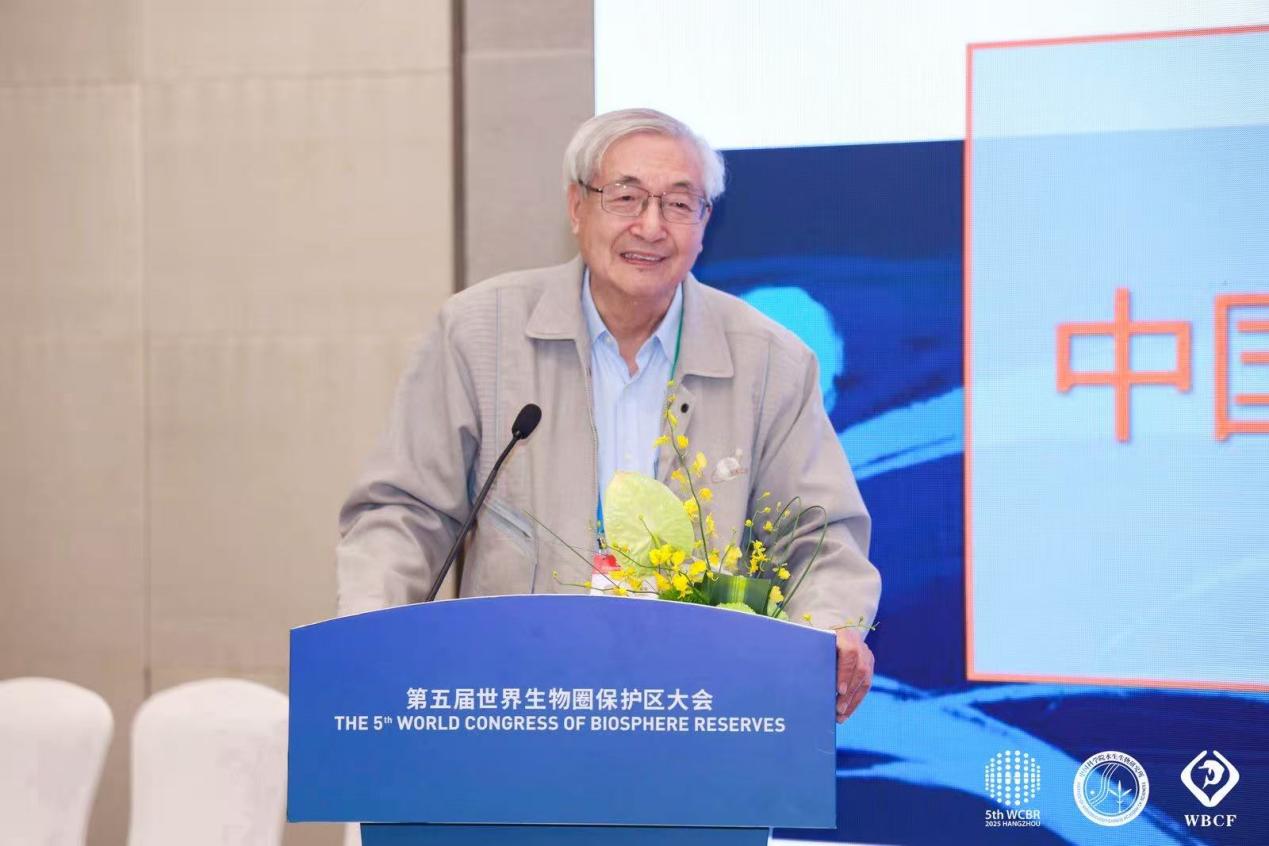
Prof. XU Zhihong, a CAS member and chairman of UNESCO’s Chinese National Committee of Man and the Biosphere, addressed the meeting. (Credit: IHB)
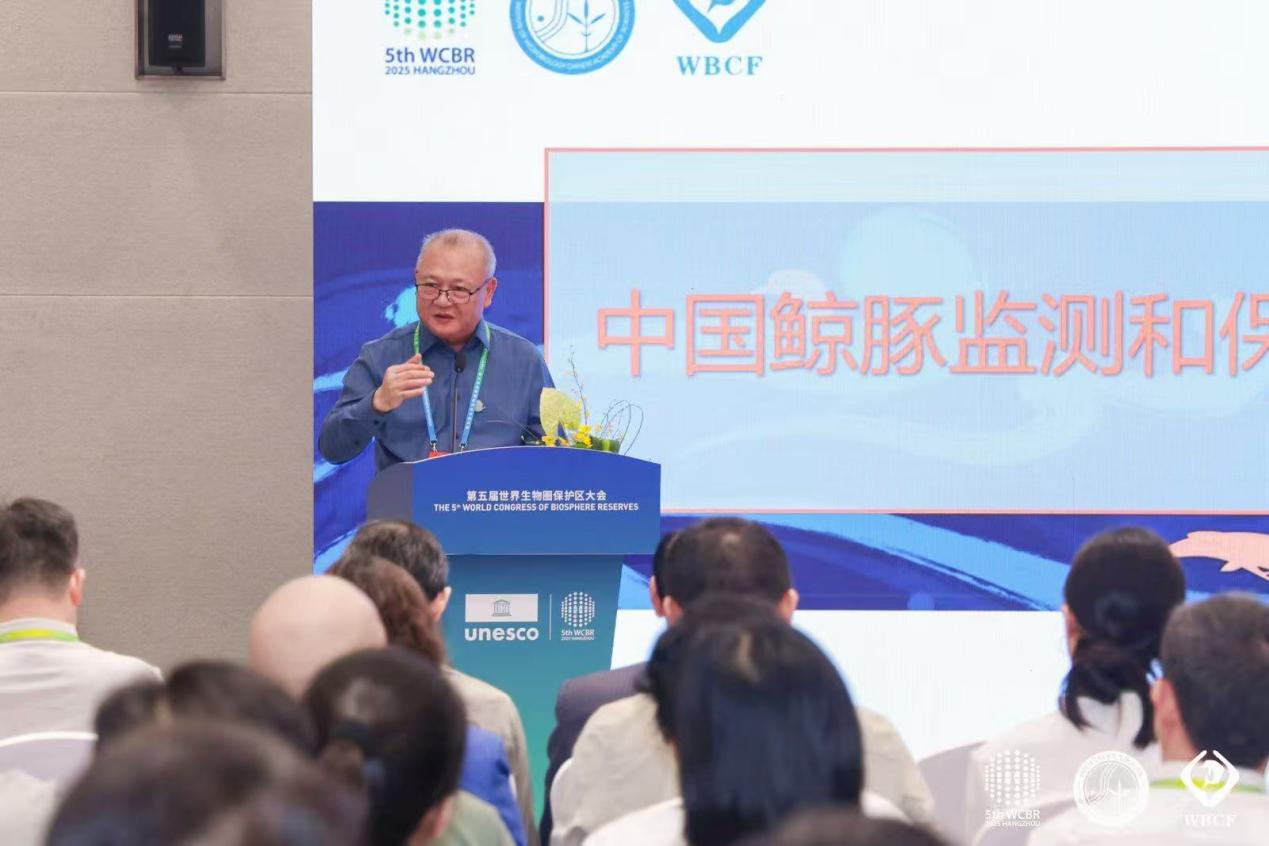
WANG Ding, executive deputy director of the Congress Executive Committee and chairman of WBCF, addressed the session. (Credit: IHB)
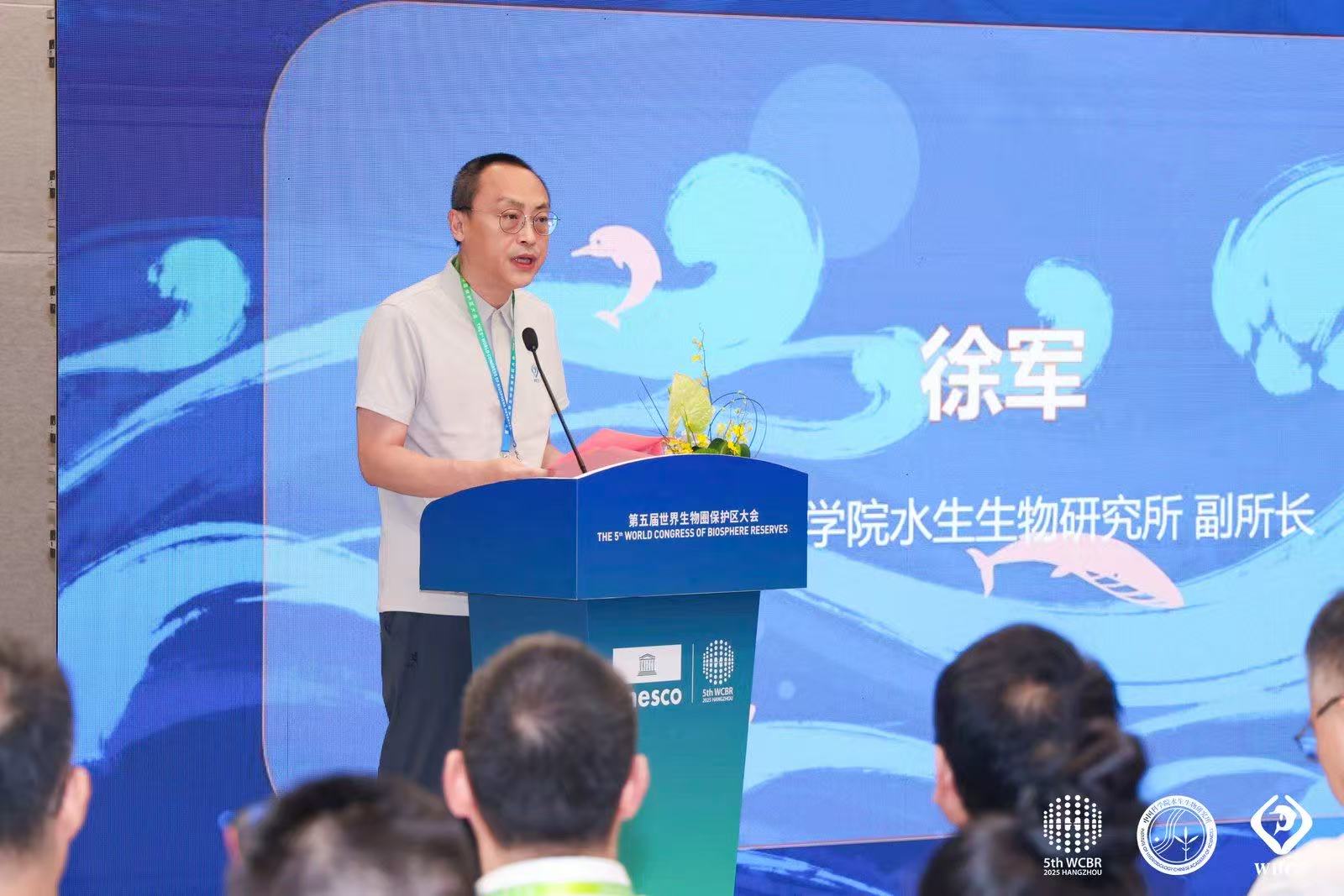
IHB's deputy director XU Jun delivered an opening speech. (Credit: IHB)
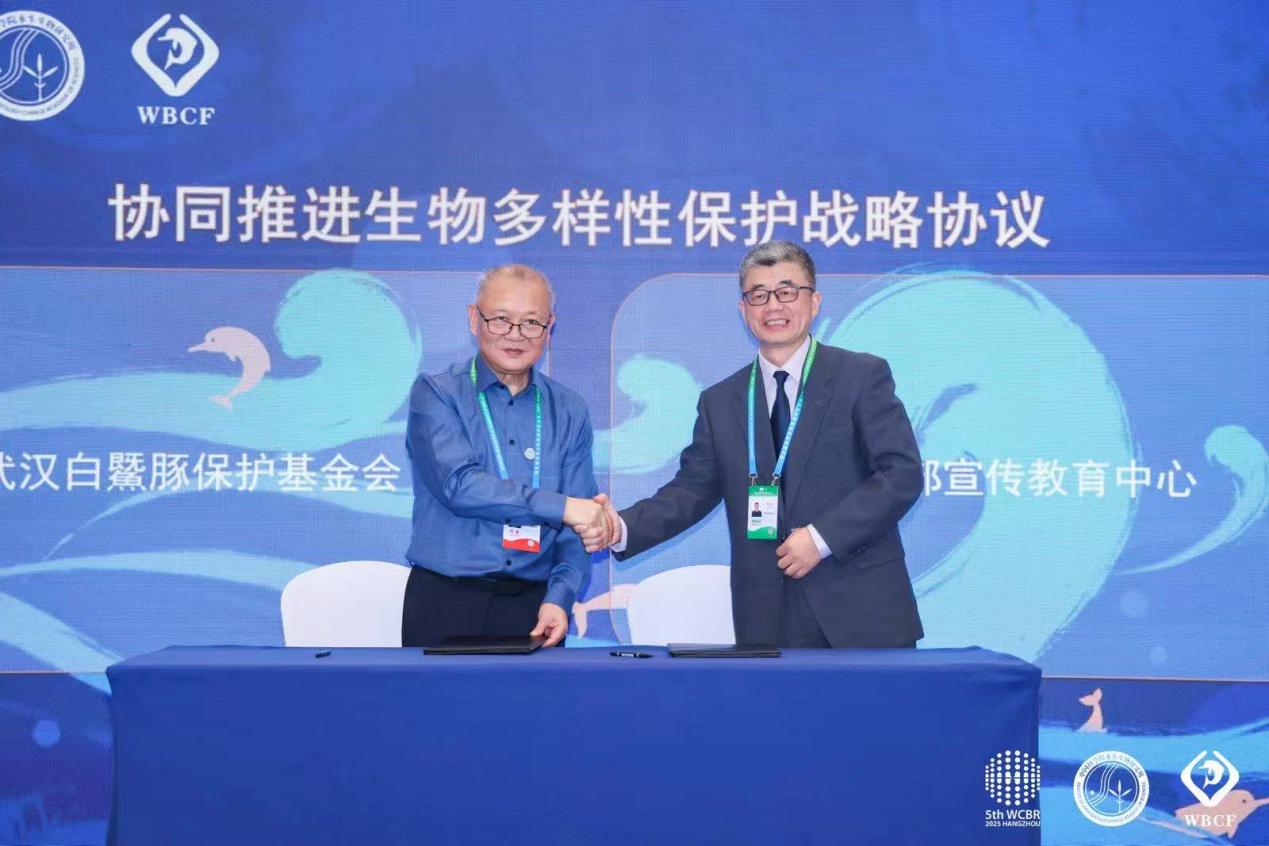
A strategic cooperation agreement was signed between WBCF and the Ministry of Ecology and Environment's Center for Environmental Education and Communication to build a broader public platform for biodiversity conservation and promote Chinese experience globally. (Credit: IHB)
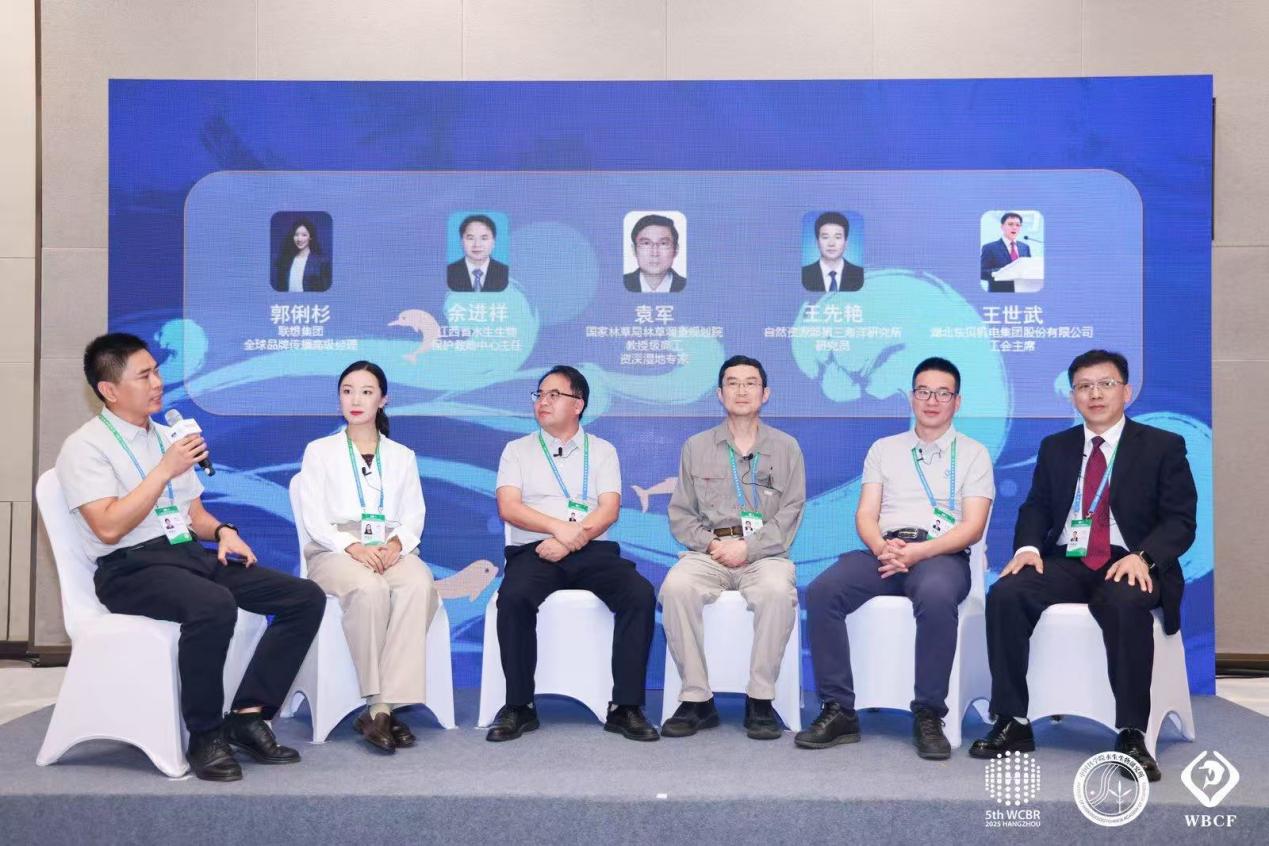
The meeting also included a segment on public participation. (Credit: IHB)