Newsroom
IHB Showcases Aquatic Science at CAS Science Festival in Wuhan
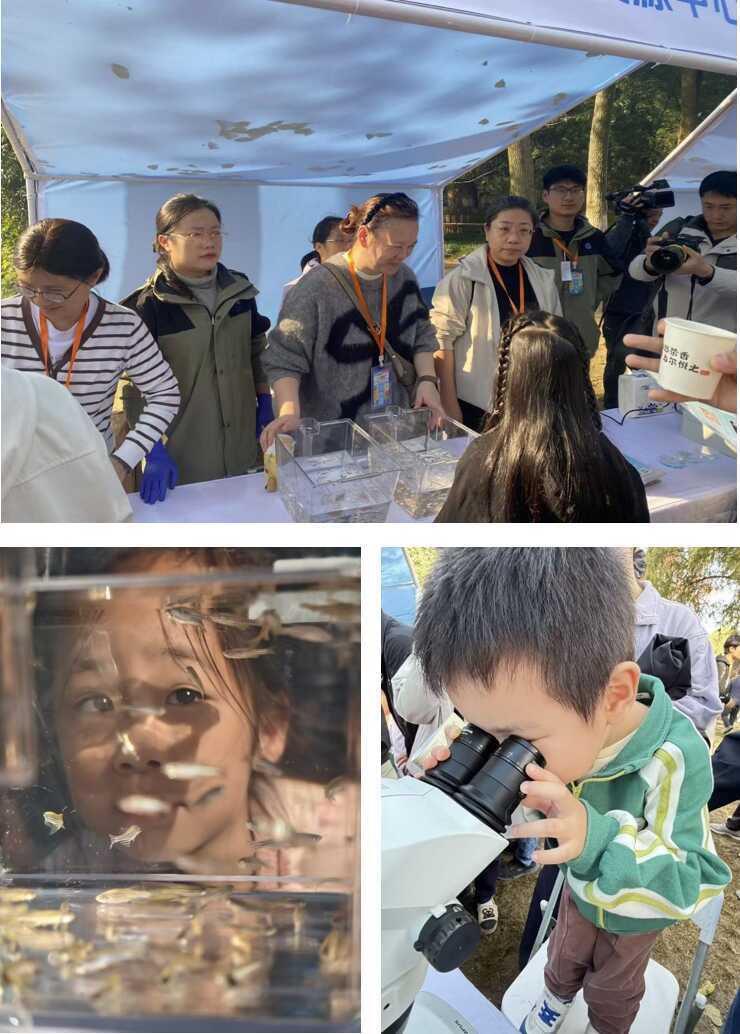
The CZRC set up a special exhibition and interactive zone in the “Innovation Workshop” section. (Credit: IHB)
On November 15–16, 2025 the 8th Science Festival of the Chinese Academy of Sciences — Wuhan Special Session and the 2025 Hubei Popular Science Carnival were held at the Moshan Campus of the Wuhan Botanical Garden of the Chinese Academy of Sciences.
The event was co‑organized by the Academic Divisions of the Chinese Academy of Sciences and the Hubei Association for Science and Technology, under the theme “Hey, Science! — Curiosity Explores the Unknown, Science Connects the Future.” It brought together over 30 scientific research institutions, universities, and science outreach organizations, featuring more than 20 science programs, over 100 interactive exhibits, and hands‑on projects, offering the public a lively and engaging blend of entertainment and scientific learning.
The Institute of Hydrobiology (IHB) of the Chinese Academy of Sciences showcased a strong lineup, including the China Zebrafish Resource Center (CZRC), the Freshwater Algae Culture Collection, and the Museum of Hydrobiological Sciences.
The CZRC set up a special exhibition and interactive zone in the “Innovation Workshop” section. Using zebrafish as a medium, the center transformed cutting‑edge life science research into accessible and engaging public content, making it one of the most popular booths on site. Staying true to its outreach philosophy of “Bringing Science Closer,” the center designed the themed exhibition “The Scientific Code of Zebrafish.” Through a three‑part approach combining live displays, hands‑on activities, and knowledge‑sharing sessions, visitors gained a clear understanding of the research value of zebrafish in fields such as developmental biology, drug screening, and environmental toxicology. Live zebrafish swimming in tanks attracted many families, while science volunteers used illustrated brochures to vividly explain the biological features and applications of zebrafish. Curious questions from children, such as “How do zebrafish help develop new drugs?” and “How are fluorescent zebrafish made?”, were answered through interactive “Science Mini‑Class + Q&A Prize” sessions. The distribution of science pamphlets and the “Answer Questions, Win Zebrafish” activity further heightened the excitement.
At the Freshwater Algae Culture Collection booth, volunteers showcased living microalgal resources, edible algal raw materials, and related products. Through diverse presentation formats, they vividly highlighted the diversity and unique value of algae. Exhibits included algae specimens, informational materials, and postcards, systematically introducing algal classification, characteristics, and their wide applications in ecology, food, health, and cosmetics.
The Museum of Hydrobiological Sciences brought a variety of precious specimens and original science‑themed cultural products to the “Sci‑Tech Showcase” booth. These included skeleton specimens of grass carp and giant salamander, lungfish skull specimens, transparent skeletal specimens, as well as fish‑themed postcards and pins. Staff provided on‑site explanations of fish skeletal structures, demonstrated specimen preparation, and interacted with visitors through activities such as “Follow‑for‑a‑Postcard.” The transparent skeletal specimens particularly captivated visitors of all ages, who stopped to admire the intricate biological structures.
Through the diverse displays and interactive activities in both the “Innovation Workshop” and “Sci‑Tech Showcase” sections, the event not only enhanced public understanding of aquatic bioscience but also demonstrated IHB’s strength and appeal in promoting scientific spirit and popularizing science.
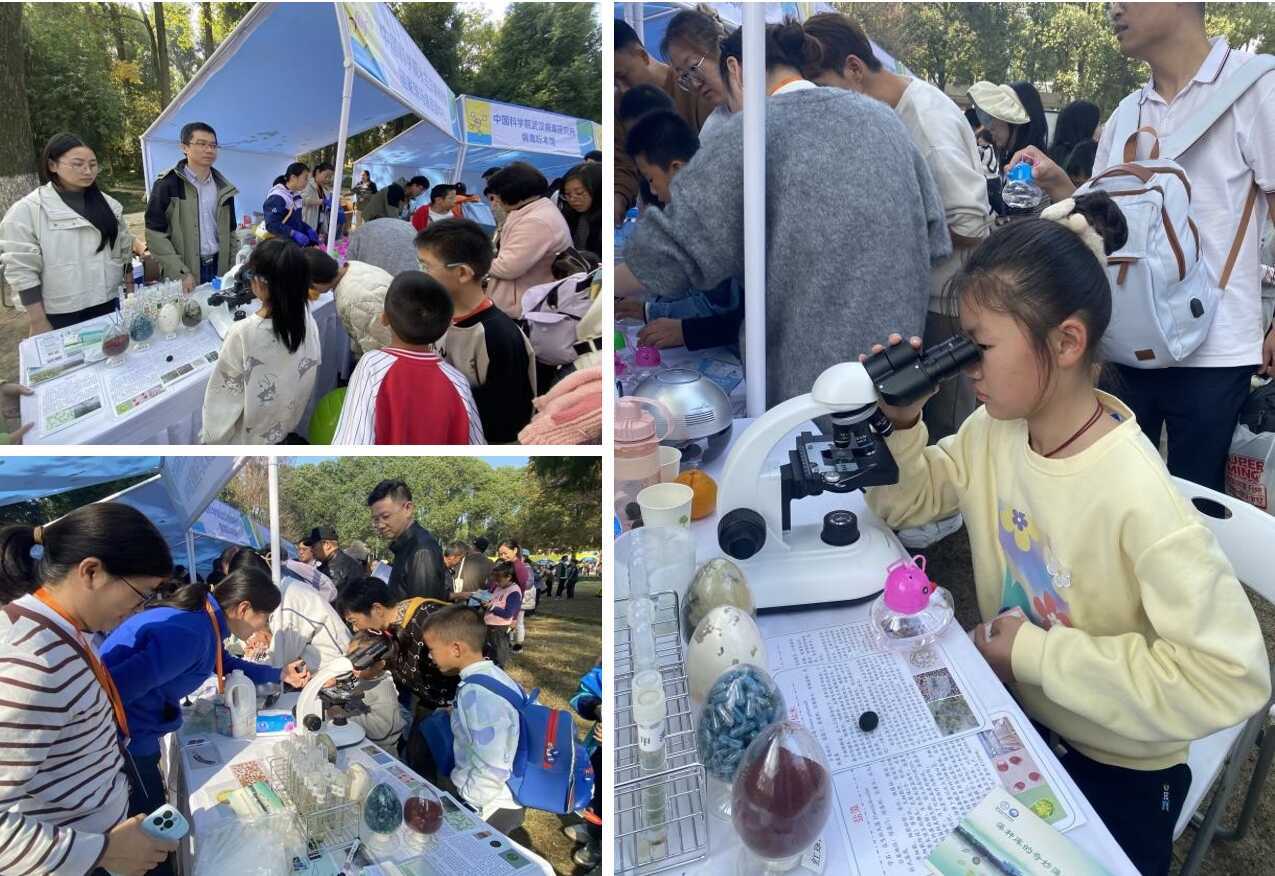
The Freshwater Algae Culture Collection booth (Credit: IHB)

The Museum of Hydrobiological Sciences brought a variety of precious specimens and original science‑themed cultural products to the “Sci‑Tech Showcase” booth. (Credit: IHB)