Newsroom
IHB's Xiangxi River Ecosystem Research Station Designated as CAS-Level Field Observation and Research Station
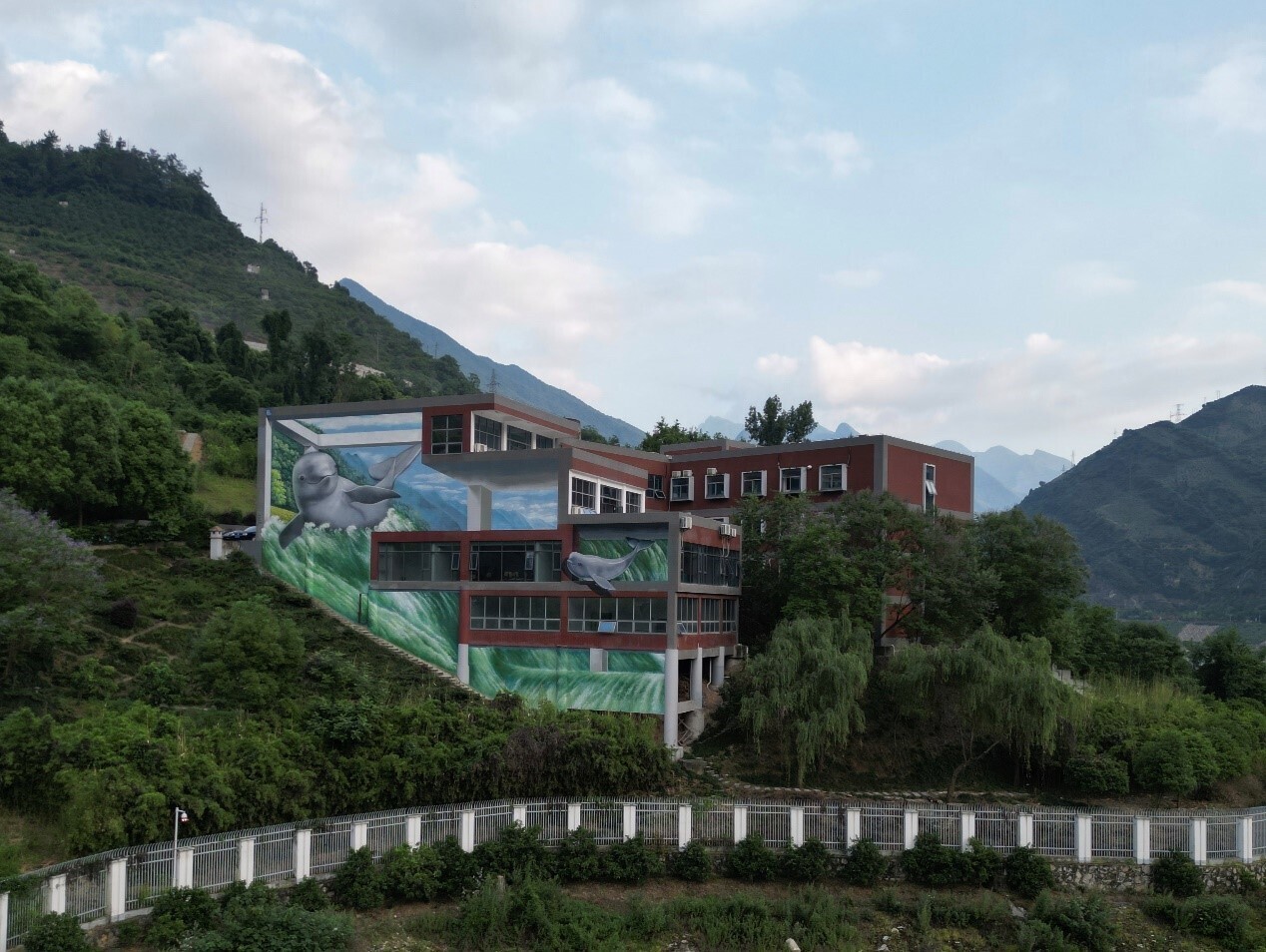
The Xiangxi River Ecosystem Research Station in the Three Gorges Reservoir Region, Chinese Academy of Sciences (Credit: IHB)
The Xiangxi River Ecosystem Research Station in the Three Gorges Reservoir Region, Chinese Academy of Sciences, operated by the Institute of Hydrobiology (IHB) of the Chinese Academy of Sciences, has been officially included in the 2026 list of new CAS-level field stations, as announced by the CAS Bureau of Basic Capacity for Science and Technology.
This marks the third CAS-level field station established by IHB, following the Donghu Experimental Station of Lake Ecosystems and the Chishui Field Observation and Research Station for Rare and Endemic Fish Conservation and Aquatic Biodiversity.
The designation represents significant progress in IHB's implementation of the CAS "15th Five-Year Plan" for field observation and research system development, and in optimizing the spatial distribution of its monitoring network.
Looking ahead, the Xiangxi River Ecosystem Research Station will focus on three priority areas. First, it will strengthen observation capabilities through controlled comparative experiments and the integration of remote sensing with ground-based monitoring to improve the analysis of environmental changes at the watershed scale. Second, it will optimize its monitoring network and data delivery, with a focus on the mountain river–reservoir bay system, ensuring the stable production of core data products. Third, it will build collaborative networks and decision-support systems.
As part of IHB's broader "One River, N Stations" framework, the station will work with other sites along the Yangtze River to form a systematic observation and research network, establish a platform for academic exchange, and provide scientific support for Yangtze River conservation, national water infrastructure development, and integrated watershed management, with the goal of becoming a model for watershed ecosystem research nationwide.